Introduction
Wayfinding and signage design is a critical component in the architecture of any public space. It is not merely about ensuring people find their way; it is about enhancing the user experience through intuitive navigation. When infused with the power of BIM (Building Information Modelling), the design process becomes more streamlined and effective, delivering bespoke solutions that integrate seamlessly into architectural interiors.
In complex built environments — hospitals managing thousands of daily patient visits, international airports routing travellers across multi-terminal campuses, or sprawling corporate headquarters housing hundreds of departments — the consequences of poor wayfinding are measurable. Studies in healthcare design have consistently shown that patients who struggle to navigate hospital corridors arrive late for appointments, increase staff workload through repeated requests for directions, and experience elevated anxiety levels before treatment. The cost of getting wayfinding wrong is not simply aesthetic; it is operational, financial, and human.
BIM has changed the conversation around wayfinding in a fundamental way. Rather than treating signage as a post-construction afterthought, BIM enables design teams to embed navigation strategy into a project from its earliest stages. The result is a built environment where circulation, legibility, and user orientation are as carefully considered as structural integrity or mechanical systems.
The Importance of Wayfinding in Architecture
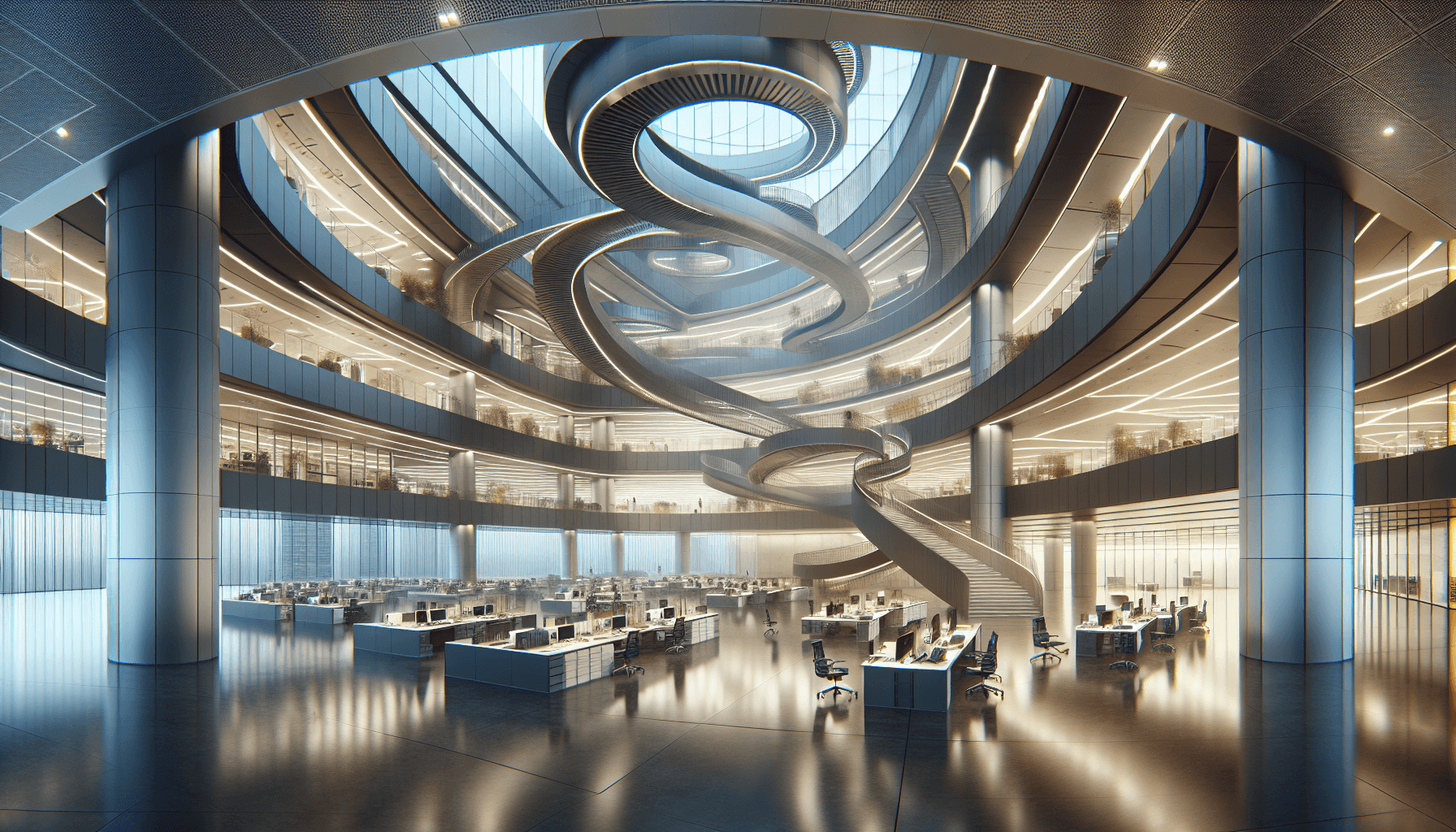
Effective wayfinding is pivotal in creating spaces that are not only functional but also welcoming and safe for the public. The strategic placement of signs and navigation aids within an architectural layout guides visitors, reduces frustration, and enhances overall satisfaction. This is especially crucial in complex environments such as hospitals, airports, and large corporate buildings.
The discipline draws on principles from cognitive science, environmental psychology, and graphic design. Human beings navigate using a combination of landmarks, spatial memory, and continuous environmental cues — a phenomenon psychologist Kevin Lynch described as "imageability" in his seminal work on city form. The same principles apply indoors. A visitor to an unfamiliar building instinctively searches for reference points: a distinctive reception desk, a change in floor material, a colour-coded corridor. Well-executed wayfinding harnesses these instincts rather than fighting them.
The focus of wayfinding is to provide clear visual information that aids in spatial orientation. This involves a strategic blend of signage, lighting, spatial configurations, and intuitive pathways that connect various zones within a building. When applied well, wayfinding can significantly improve the overall experience and usability of a space. Poor wayfinding, conversely, erodes user trust in the building itself — an instinctive feeling that a space is confusing or unwelcoming often traces back to inadequate or inconsistent navigation cues rather than any failing in the architecture per se.
It is also worth noting the legal and regulatory dimension. In many jurisdictions, accessibility legislation mandates specific standards for signage height, tactile indicators, braille provision, and contrast ratios for the visually impaired. A robust wayfinding strategy must satisfy these requirements as a baseline, while aspiring to serve all users — including the elderly, those with cognitive differences, and international visitors unfamiliar with the local language.
Role of BIM in Wayfinding and Signage Design
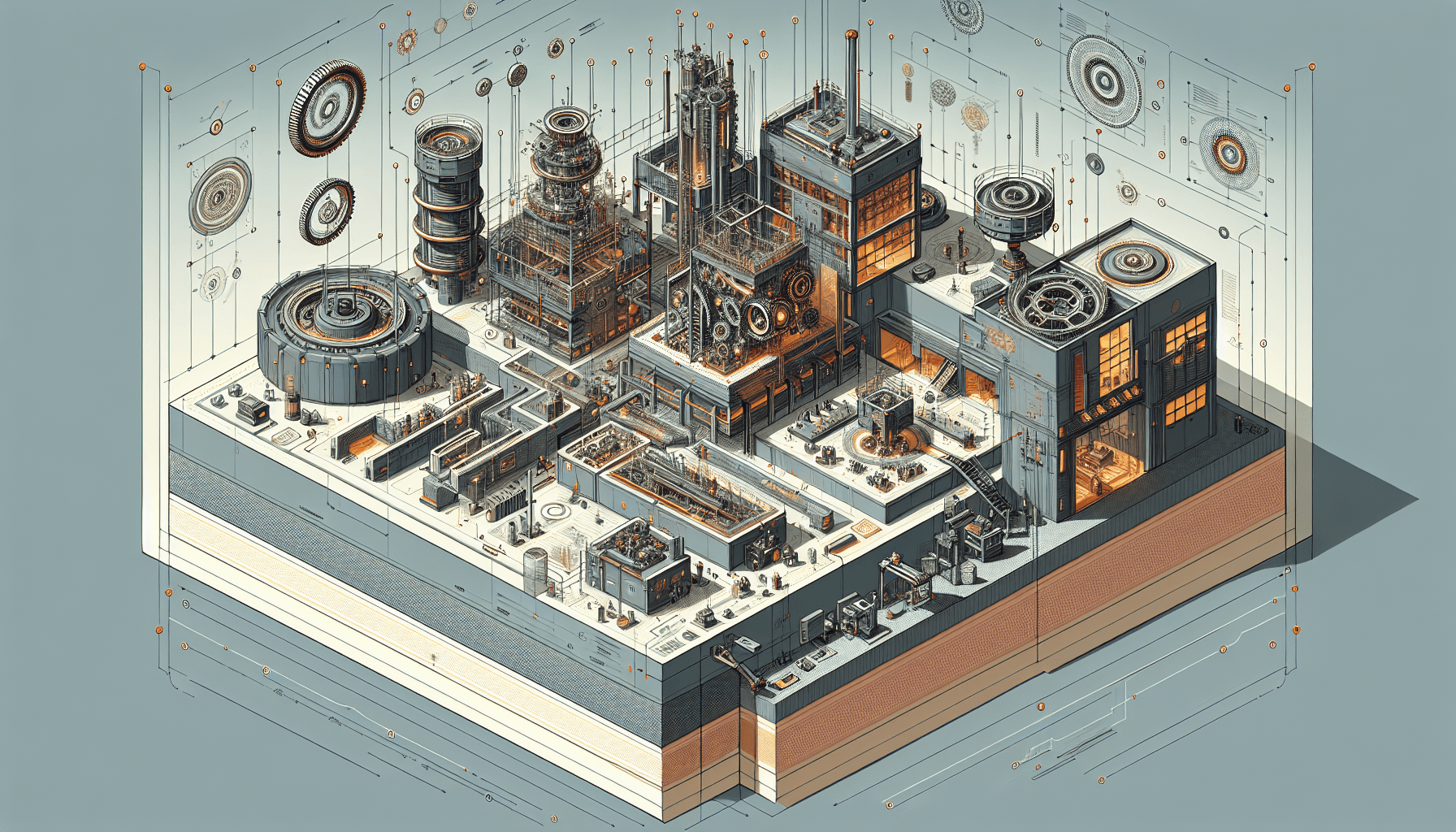
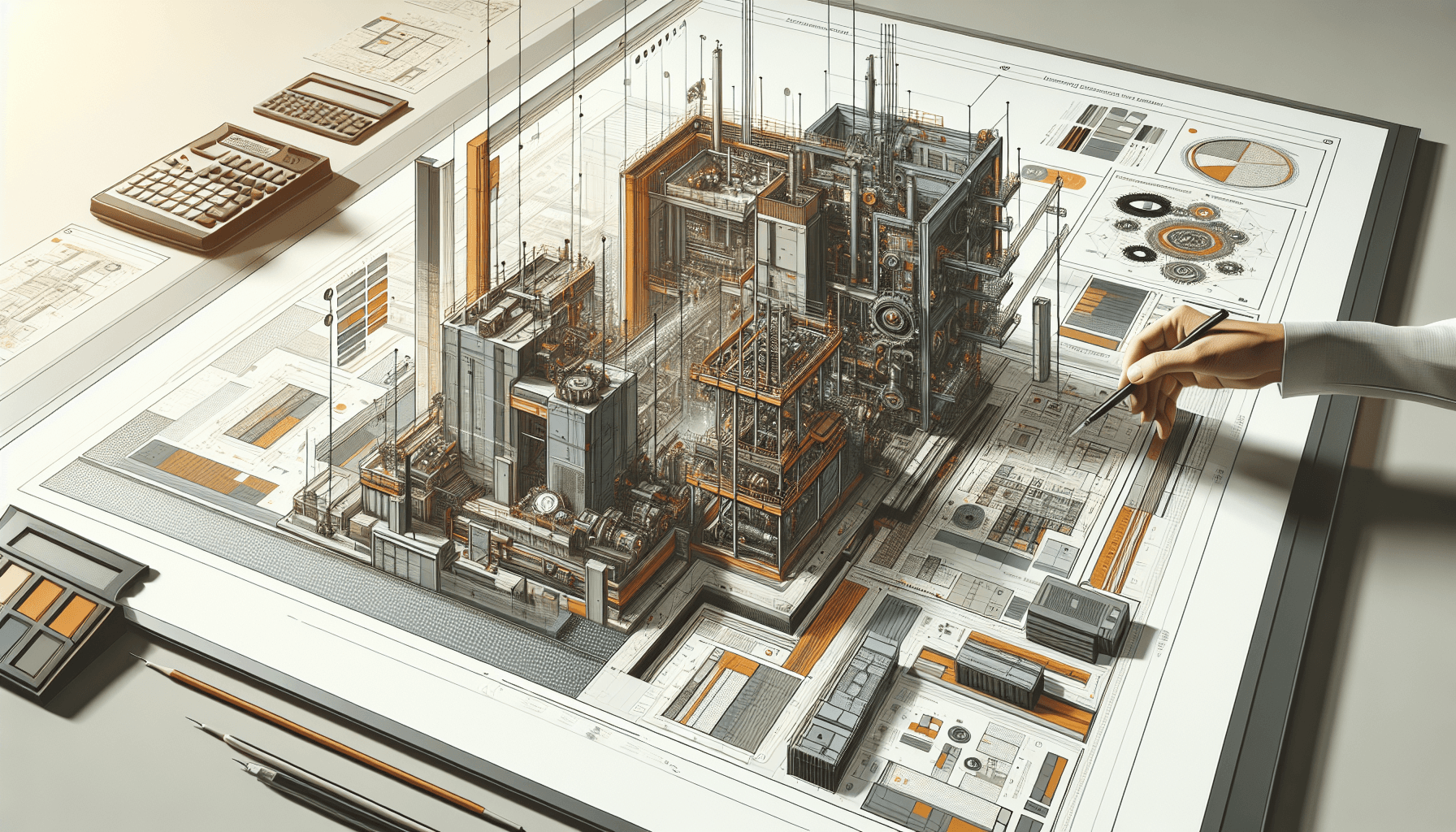
BIM provides an innovative platform for integrating wayfinding and signage design into building projects. It plays a pivotal role in the planning and implementation stages. With BIM, architects and designers can create detailed 3D models that incorporate wayfinding elements from the onset. This allows for a comprehensive examination of how signage and navigation cues will function in real-world scenarios.
The value of embedding wayfinding within a BIM model extends well beyond the design studio. Contractors can identify exactly where sign fixings need to be positioned within a wall assembly before construction begins. Facilities managers receive a live digital asset register of every sign in the building, complete with its location, specification, and maintenance schedule. In a post-occupancy context, this data becomes invaluable when a space is refurbished and signage must be updated to reflect new room uses or departmental reconfigurations.
How BIM Enhances Wayfinding Design
Visualisation and Simulation
BIM tools allow designers to simulate the end-user experience. This includes visualising the journey of building occupants and anticipating potential navigation challenges. Through these simulations, designers can make informed decisions about the size, placement, and style of signage.
Modern BIM platforms support first-person walkthroughs that enable project stakeholders — including clients who may not be trained to read technical drawings — to experience a building's circulation intuitively. A facilities director can "walk" from the main entrance to an outpatient clinic in a BIM model before a single foundation is poured, identifying sightline obstructions that would render a proposed overhead sign illegible from ten metres away. These insights, discovered early, are inexpensive to fix; discovered on site during the fit-out phase, they become costly change orders.
Coordination and Collaboration
BIM facilitates better collaboration between architects, interior designers, and signage professionals. This ensures all elements of wayfinding are considered in the broader architectural context. Design changes can be coordinated seamlessly across different teams, minimising the risk of post-completion adjustments.
A wayfinding consultant working within a federated BIM environment can overlay their sign schedule directly onto the architect's spatial model and the interior designer's finish selections. Clashes become immediately apparent — a proposed projecting sign might conflict with a suspended ceiling grid, or a floor graphic might be obscured by a freestanding partition that was added late in the design process. Resolving these issues within the model is orders of magnitude less disruptive than discovering them on a completed project.
Efficiency in Design
By using BIM, the integration of wayfinding elements becomes more efficient and less prone to errors. BIM's iterative approach allows designers to test different configurations quickly, ensuring that the wayfinding strategy aligns with the building's architecture.
Parametric capabilities within BIM software allow sign families to be defined with intelligent attributes — room number, department name, directional arrow angle — that update automatically as the building's room data changes. Rather than manually revising hundreds of sign schedules when a department moves floor, the data flows from the BIM model into the sign production documentation with minimal manual intervention.
Real-World Applications of BIM in Wayfinding
A case study illustrating BIM's efficacy is the redevelopment of a university campus. By incorporating BIM early in the design process, architects were able to simulate student and staff movement throughout the campus. This led to the innovative placement of interactive kiosks and digital signage, enhancing the ease of navigation between lecture halls and department offices.
Healthcare projects offer equally compelling evidence. A major NHS hospital trust in England employed BIM-led wayfinding analysis during the redesign of its main entrance and outpatient zone. The team used occupancy simulation software linked to the BIM model to model patient flows at peak morning hours. The analysis revealed that a proposed signage cluster at the main atrium junction would be partially obscured by queuing patients — a collision between user behaviour and static design that no two-dimensional drawing review had flagged. Repositioning the primary decision-point sign by just four metres resolved the issue entirely.
In the retail and hospitality sectors, BIM-driven wayfinding has enabled the seamless integration of digital display systems into architectural millwork. Designers can specify the exact recess dimensions for a flush-mounted digital panel, co-ordinate the cabling route through the structural model, and confirm the viewing angle against a sightline analysis — all within a single integrated model. The result is a finished environment where technology and architecture feel unified rather than retrofitted.
Environmental Graphics and Brand Identity
Wayfinding is not a purely functional exercise; it is also an expression of a building's identity and the organisation it represents. Environmental graphics — the broader discipline encompassing murals, feature walls, floor patterns, and sculptural elements that support navigation — translate brand values into spatial experience. A museum's wayfinding system should feel distinctly different from a logistics hub's, even if both employ the same fundamental principles of directional clarity and decision-point signage.
BIM supports this dimension of wayfinding design by enabling graphic designers to map their proposed treatments onto accurate three-dimensional surfaces. A large-scale typographic wall treatment that reads coherently at ten metres of distance can be validated within the BIM model before it is committed to a production budget. Colour selections can be tested under the actual lighting conditions modelled for the space, avoiding the common scenario where a colour palette chosen in a design studio looks entirely different under the fluorescent or LED fittings of a finished building.
This integration of brand and navigation also has practical implications for accessibility. High-contrast environmental graphics that delineate circulation spines from ancillary spaces support orientation for users with low vision, providing a layer of navigational information that operates independently of text-based signage. BIM makes it possible to test contrast ratios against the building's actual surface finishes before any physical production takes place.
Digital and Adaptive Wayfinding Systems
The emergence of indoor positioning technology, Bluetooth Low Energy (BLE) beacons, and building-integrated IoT infrastructure has introduced a new layer of complexity — and opportunity — to wayfinding design. Static signs remain essential, but they are increasingly complemented by dynamic digital systems that respond to real-time conditions: a redirected route around a temporary construction zone, a notification that a particular lift is out of service, or a personalised navigation path sent to a visitor's smartphone as they enter the building.
Integrating these systems into a building project requires the same disciplined coordination that BIM has always provided for physical assets. The locations of beacon hardware, the routing of low-voltage cabling, and the placement of interactive kiosk enclosures are all spatial decisions that benefit from being resolved within the BIM model rather than improvised on site. A well-structured BIM asset register can also feed directly into the facility management platform that operates the digital wayfinding system post-occupancy, ensuring that room names, department locations, and routing logic remain synchronised with the physical building as it evolves over time.
For clients commissioning new-build or significantly refurbished facilities, the business case for BIM-integrated digital wayfinding is straightforward. Reduced installation cost, lower post-occupancy maintenance overhead, and a verifiably accessible user experience together represent a compelling return on the investment in coordinated design.
Sustainability and Future-Proofing Wayfinding Schemes
A well-designed wayfinding scheme should anticipate change. Buildings evolve — departments relocate, tenants change, spaces are repurposed. A wayfinding system that is deeply embedded in the building's fabric and difficult to update will generate ongoing cost and disruption every time the organisation it serves undergoes structural change. BIM supports future-proofing by treating wayfinding as a data-rich system rather than a static installation.
Sign systems designed with modularity in mind — interchangeable face panels within a consistent mounting infrastructure, or digital displays that can receive content updates remotely — can be specified and modelled within the BIM environment. The maintenance implications of different system types can be evaluated quantitatively: how many sign face changes are required across a defined period, what the associated labour cost will be, and how that compares with a digital system that requires periodic hardware refresh but offers near-zero cost for content updates.
From a sustainability perspective, the shift toward digital and demountable wayfinding systems reduces the volume of signage substrate sent to landfill when a building undergoes reprogramming. BIM's role in lifecycle assessment tools means that the embodied carbon of different signage materials can be evaluated alongside cost and performance criteria, supporting clients who are working toward net-zero operational and embodied carbon targets.
Conclusion
Integrating navigation cues into architectural interiors using BIM is a forward-thinking approach that enhances user experience and maximises functionality. In a world increasingly driven by technology and smart design, leveraging BIM in wayfinding ensures that interiors are not only visually appealing but also highly navigable.
Wayfinding, when executed effectively with the support of BIM, transforms spaces into immersive environments that are easy to traverse, even for first-time visitors. As the technology evolves, so too do the possibilities for creating smarter, more intuitive interior spaces. The convergence of BIM, indoor positioning, environmental graphics, and digital display technology is producing buildings that are genuinely responsive to the people who use them — environments that communicate, guide, and adapt.
Incorporating BIM into wayfinding and signage design removes conventional constraints, allowing for innovative solutions that align with the evolving needs of modern architecture. At Adyantrix, this integrated approach underpins every wayfinding and signage engagement we undertake. Our BIM consulting and architectural services teams work in close collaboration with environmental graphic designers and digital systems integrators, ensuring that navigation strategy is never an afterthought but a defining characteristic of the spaces we help create. Whether the project is a healthcare campus, a mixed-use commercial development, or an educational institution, we bring the same rigour to wayfinding as we bring to every other dimension of the built environment — because the experience of moving through a building is ultimately inseparable from the quality of its design.
Speak with our BIM Consulting team at Adyantrix to find out how we can support your next project.