Introduction
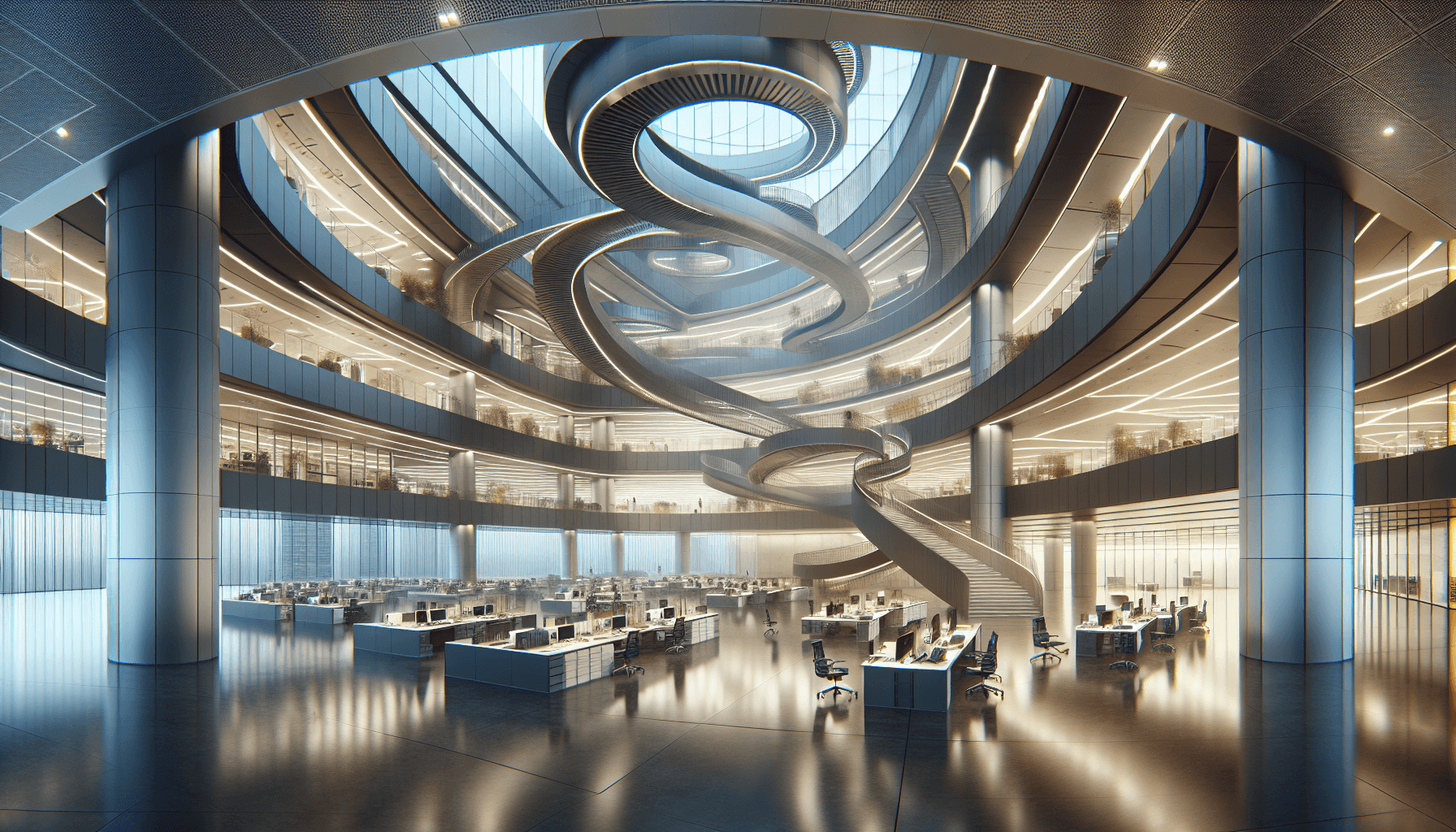
In today's fast-paced world, educational spaces must do more than simply store students and teachers; they need to serve as dynamic environments that support active learning and collaboration. As technology and pedagogies evolve, there is a growing necessity for spaces that encourage interaction, creativity, and flexibility. This is where Building Information Modelling (BIM) plays a pivotal role in bridging the gap between traditional educational spaces and the needs of 21st-century learning environments.
The shift is not merely aesthetic. Research from the University of Salford's HEAD Project — one of the most comprehensive studies of its kind — found that classroom design accounts for as much as 16% of the variation in pupil progress over a single academic year. Factors such as natural light, air quality, acoustic comfort, and the flexibility of layout all contribute meaningfully to how well students learn. When these findings are translated into a live design workflow, BIM becomes the indispensable engine that turns evidence-based ambitions into buildable reality.
The Role of BIM in Modern Educational Spaces
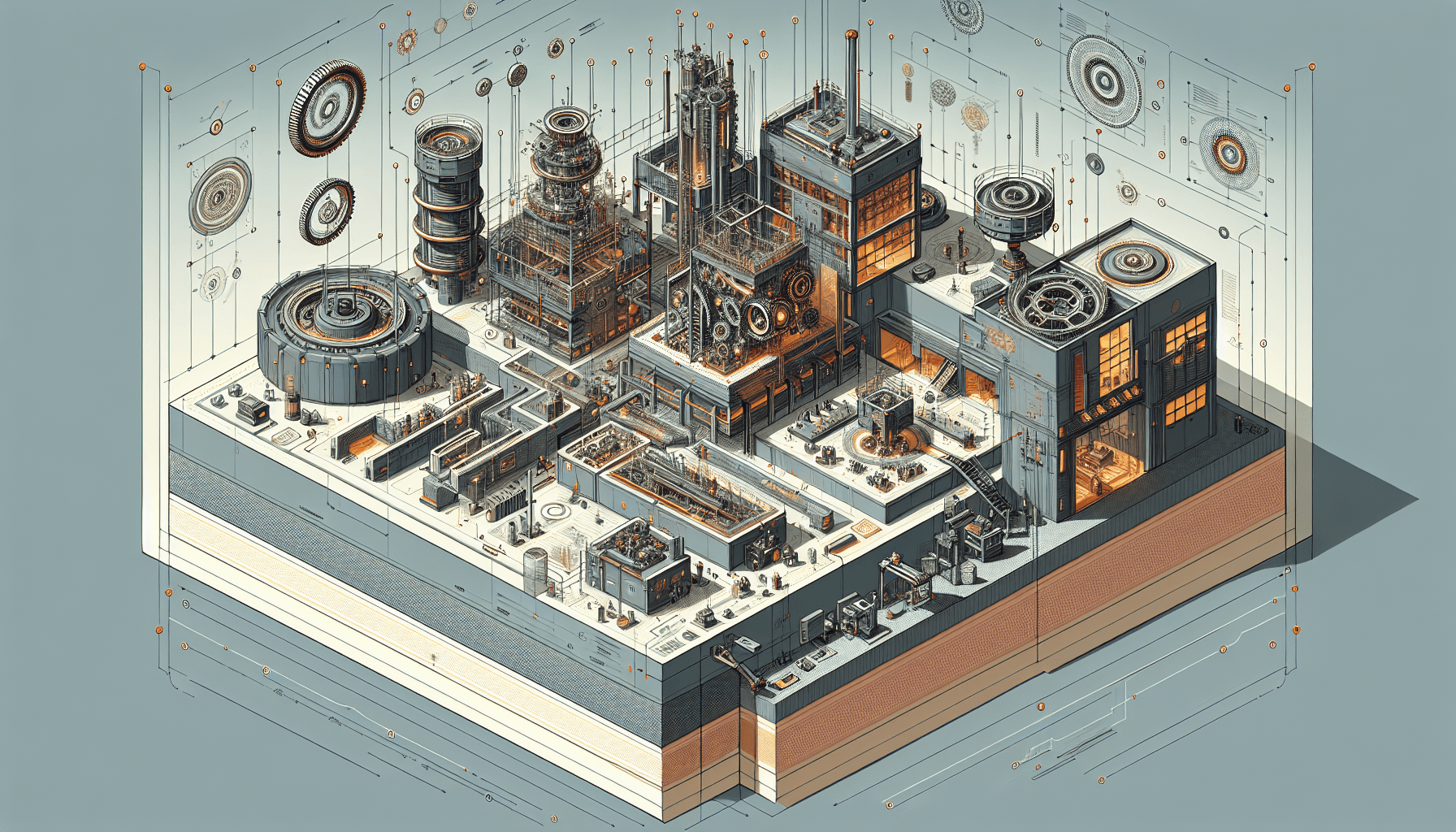
Building Information Modelling — or BIM — is much more than a 3D modelling tool; it is a comprehensive process that revolutionises how educational structures are conceptualised, designed, and built. By using BIM, architects and designers can create highly detailed, accurate, and efficient models that offer a holistic view of the educational environment.
One significant advantage of BIM is its ability to improve collaboration right from the design phase. Digital models enable stakeholders — from educators to architects — to visualise the end space comprehensively and make collaborative decisions. For instance, if an architect needs to consult a teacher about classroom layouts, they can easily share the BIM model, enabling interactive discussion on possible designs and their outcomes.
Beyond stakeholder communication, BIM delivers tangible cost discipline. A federated model that combines architectural, structural, mechanical, and electrical data allows clash detection to be performed computationally before construction begins. In large-scale school or university projects, this single capability can reduce on-site rework costs by 10–15%, according to industry benchmarks published by the UK's Construction Industry Training Board. For institutions operating within tight capital budgets, that saving can be redirected into better-specified furniture, improved acoustics, or additional breakout zones.
BIM also integrates directly with lifecycle cost modelling. Energy analysis plug-ins within platforms such as Autodesk Revit and Vectorworks allow designers to test glazing ratios, orientation, and mechanical plant configurations against predicted energy consumption — a critical consideration for schools pursuing BREEAM "Excellent" or net-zero targets. The model does not expire when the building is handed over; it transitions into a facility management asset, meaning that room reconfiguration decisions in year ten are informed by the same data gathered during the design stage in year one.
Designing for Active Learning
Active learning spaces are designed to shift from traditional lecture-centric environments to ones that encourage student participation and interaction. These spaces are often equipped with flexible furniture, advanced technology, and multiple access points for media and resources. In this context, BIM helps in customising furniture and layouts that suit various teaching methods.
An example of BIM in action is its capability for real-time visualisation and adjustments. Imagine a scenario where a university wants to implement "flipped classrooms" where lectures are delivered digitally and in-class time is reserved for group work. BIM allows a quick assessment of space allocations and technology needs, ensuring that each classroom is configured to maximise its potential for interactive learning.
The granularity achievable through BIM goes well beyond moving desks around. Designers can load manufacturer-specific Revit families for writable wall panels, modular storage units, and height-adjustable workstations, then test multiple layout permutations in the model before a single procurement decision is made. At secondary school level, this means a single room can be validly modelled as a science laboratory in the morning and a project-based learning studio in the afternoon — and the BIM model will flag whether the utility connections, ventilation rates, and egress widths remain compliant in both configurations.
Lighting design is another dimension where BIM adds depth. Daylight simulation tools, including Autodesk Insight and Radiance-based solvers, allow the model to predict illuminance levels at desk height for different seasons and times of day. Research consistently shows that students in naturally lit classrooms outperform peers in artificially lit spaces on cognitive tasks, and BIM makes it straightforward to optimise window placement, shading devices, and reflectance values in a way that purely traditional drafting cannot.
Supporting Collaboration
Collaboration is at the heart of innovative and effective learning environments. Open-plan layouts, breakout zones, and flexible partitions encourage students to engage in teamwork and discussion. Traditional spaces are being reimagined to include areas where students can gather informally, share ideas, and work on projects collaboratively.
BIM enables designers to simulate these interactions during the planning phase. By inputting real-world data such as occupancy levels, crowd flow, and acoustic properties, designers can anticipate potential issues and make necessary adjustments before a single brick is laid. This preemptive approach not only saves time and resources but also results in spaces that genuinely support collaborative learning.
Acoustic modelling deserves particular attention in this context. Open-plan learning environments present a paradox: the very openness that promotes spontaneous collaboration can generate reverberation times that make sustained concentration difficult. BIM-linked acoustic simulation tools allow designers to test different ceiling heights, surface materials, and partition arrangements, measuring predicted speech transmission indices against the values recommended by Building Bulletin 93 — the UK government's acoustic standard for schools. A poorly modelled space that is built and then acoustically corrected post-occupancy can cost three to five times more to remediate than one that was modelled correctly from the outset.
Wayfinding and inclusivity are further considerations. BIM models can incorporate full accessibility simulations — testing wheelchair turning circles, sensory room adjacencies, and emergency evacuation times for students with mobility impairments — ensuring that collaborative zones are genuinely accessible to every learner, not merely compliant on paper.
Practical BIM Implementations in Education
Case Study: Secondary School Campus in Central London
One practical example of BIM benefits can be seen in the construction of a new secondary school in central London. The project aimed to provide state-of-the-art facilities while respecting sustainability goals. Through BIM, stakeholders could efficiently cooperate and manage various aspects such as energy efficiency, room acoustics, and furniture arrangements, ensuring a student-centred environment.
The school's design team used a Level 2 BIM-compliant workflow throughout, with a Common Data Environment (CDE) hosting the coordinated model. This meant that the acoustic consultant, the mechanical and electrical engineer, and the interior designer were all working from the same federated model rather than exchanging disconnected drawings. Clash detection sessions resolved more than 200 coordination issues before groundworks began — a process that historically would have taken weeks of on-site problem-solving and associated delays.
The completed campus achieved a BREEAM "Very Good" rating and, importantly, the school's leadership team was able to use the final BIM model to plan furniture procurement and room scheduling before the building was occupied, shortening the transition period significantly.
Case Study: Higher Education Teaching Block, Northern England
A post-1992 university undertaking a major estates rationalisation programme used BIM to repurpose an ageing teaching block rather than demolish it. The existing structure was point-cloud scanned and imported into Revit as a reality-capture mesh, providing the design team with a highly accurate as-built condition to design against.
The BIM model revealed that by removing several non-load-bearing internal walls and introducing a series of acoustic pods at mezzanine level, the ground floor could be converted into a high-capacity active learning studio accommodating 120 students in various configurations — without altering the building's envelope or structural frame. The capital cost of this intervention was approximately 40% lower than a comparable new-build solution, and the CO2 embodied in the retained structure was preserved rather than released through demolition.
Unlocking Customisation with Revit
Tools like Autodesk Revit, pivotal for BIM projects, allow the creation of detailed models that take into account the nuances of educational buildings. From creating libraries of custom furniture to simulating HVAC systems for optimal environmental comfort, Revit assists in designing spaces tailor-made for educational effectiveness.
Custom Revit family creation is particularly valuable in education projects because standard component libraries rarely reflect the specific product ranges procured by schools and universities. A custom family for a tiered lecture theatre seat, for example, will carry parametric data for seat width, row spacing, sightline angle, and fire egress rating — enabling the model to automatically flag when any parameter falls outside compliant ranges. This level of embedded intelligence transforms the model from a visual representation into an active design audit tool.
Implementation: A Practical Step-by-Step Approach
Translating BIM ambitions into a delivered educational project requires a structured implementation pathway. The following framework reflects established practice across UK school and university projects.
Step 1 — Establish an Employer's Information Requirements (EIR) document. The institution, advised by a BIM consultant, defines what information is needed, at what level of detail, and at what project stage. Without a clear EIR, design teams produce models that are rich in geometry but poor in the data needed for lifecycle management.
Step 2 — Select a BIM Execution Plan (BEP) aligned to the EIR. The appointed design team produces a BEP that sets out modelling standards, software platforms, naming conventions, and a Responsibility Matrix — clarifying who models what and when.
Step 3 — Set up the Common Data Environment. Platforms such as Autodesk Construction Cloud, Aconex, or ProjectWise provide the shared workspace through which all model files, clash reports, and drawing issues are managed. A well-configured CDE eliminates the version-control problems that plagued earlier CAD-based workflows.
Step 4 — Conduct structured design review workshops. At key RIBA Plan of Work stages (typically Stage 2, 3, and 4), project stakeholders — including teaching staff and estates managers — should review the federated model using lightweight viewer tools such as Autodesk Viewer or BIM 360. This brings end-user knowledge directly into the design process at a point where changes are still low-cost.
Step 5 — Commission post-occupancy evaluation (POE). BIM should not be treated as a construction-phase tool only. A structured POE at 12 and 36 months post-handover, cross-referenced against the original BIM model, generates evidence that either validates or challenges design assumptions — and feeds directly into future projects.
Key Metrics and KPIs for Education Space Design
Measuring the success of an education space requires both objective building-performance indicators and pedagogical outcome data. The following set of KPIs represents best practice for institutions that wish to hold their design decisions accountable.
Energy use intensity (EUI): Target below 80 kWh/m²/year for a naturally ventilated primary school; below 120 kWh/m²/year for a mechanically ventilated secondary or further education building. BIM-linked energy modelling should be used to predict and then validate these figures against actual metered consumption.
Internal CO2 concentration: CIBSE guidance recommends maintaining classroom CO2 below 1,000 ppm during occupied hours. BIM ventilation simulations should demonstrate compliance before the mechanical specification is finalised.
Reverberation time (RT60): Building Bulletin 93 sets maximum mid-frequency reverberation times of 0.4–0.8 seconds depending on room type. Acoustic simulation within the BIM environment should verify these targets are met by the proposed surface treatment strategy.
Space utilisation rate: A well-designed flexible space should achieve a utilisation rate above 70% across the teaching week. BIM models that embed room capacity and configuration data enable estates teams to optimise timetabling and identify underused spaces.
Post-occupancy satisfaction score: Staff and student surveys administered at 12 months post-occupancy should target a satisfaction score of 75% or above across comfort, flexibility, and collaborative usability dimensions.
Monitoring these metrics against the design intent encoded in the BIM model creates a closed feedback loop — one that continuously improves the design intelligence brought to future education projects.
Best Practices for Sustainable and Future-Ready Education Spaces
Sustainability and adaptability are no longer optional extras in education design; they are baseline requirements for any institution with a credible long-term estates strategy.
Design for disassembly. Specify moveable partitions, raised-access flooring, and modular ceiling systems that can be reconfigured without generating construction waste. BIM models should record the demountability classification of each component so that future facilities managers know exactly which elements can be relocated and which require demolition.
Integrate biophilic design principles. Access to natural light, views of greenery, and the use of natural materials such as timber and stone have measurable positive effects on student wellbeing and cognitive performance. BIM solar analysis tools make it straightforward to optimise these elements without compromising structural or thermal performance.
Plan for technology change cycles. The average life cycle of educational technology infrastructure is eight to twelve years — far shorter than the building's structural lifespan. BIM models should include raised flooring or accessible ceiling void data, cable management routing, and power density calculations that allow technology upgrades to be planned and costed without major structural intervention.
Incorporate passive cooling strategies. As summer temperatures rise across the UK, the risk of classroom overheating is an increasingly significant design challenge. BIM thermal modelling using dynamic simulation software such as IES-VE allows designers to test natural ventilation strategies, external shading devices, and thermal mass combinations before committing to a mechanical cooling system — reducing both capital cost and long-term energy consumption.
Conclusion
Designing educational spaces that truly support active learning and collaboration is an achievable goal with BIM at the forefront. By integrating advanced modelling technologies with collaborative design philosophies, educational institutions can transition from traditional learning environments to interactive, flexible, and sustainable spaces that meet the ever-evolving demands of 21st-century education.
For schools, colleges, and universities looking to embark on this transformative journey, engaging with BIM professionals can provide the necessary expertise and vision to create spaces that inspire and educate today's learners effectively and efficiently.
Adyantrix brings precisely this combination of technical depth and sector understanding to every education project it supports. From producing employer's information requirements and BIM execution plans through to creating bespoke Revit families for educational furniture and conducting detailed acoustic and daylight simulations, the team's capabilities span the full design and construction lifecycle. Whether the brief is a new-build primary school, a higher education teaching block retrofit, or a multi-campus estates strategy, Adyantrix's BIM consulting and architectural services provide the rigour and insight needed to deliver spaces where students genuinely thrive.
Speak with our BIM Consulting team at Adyantrix to find out how we can support your next project.