The Challenge
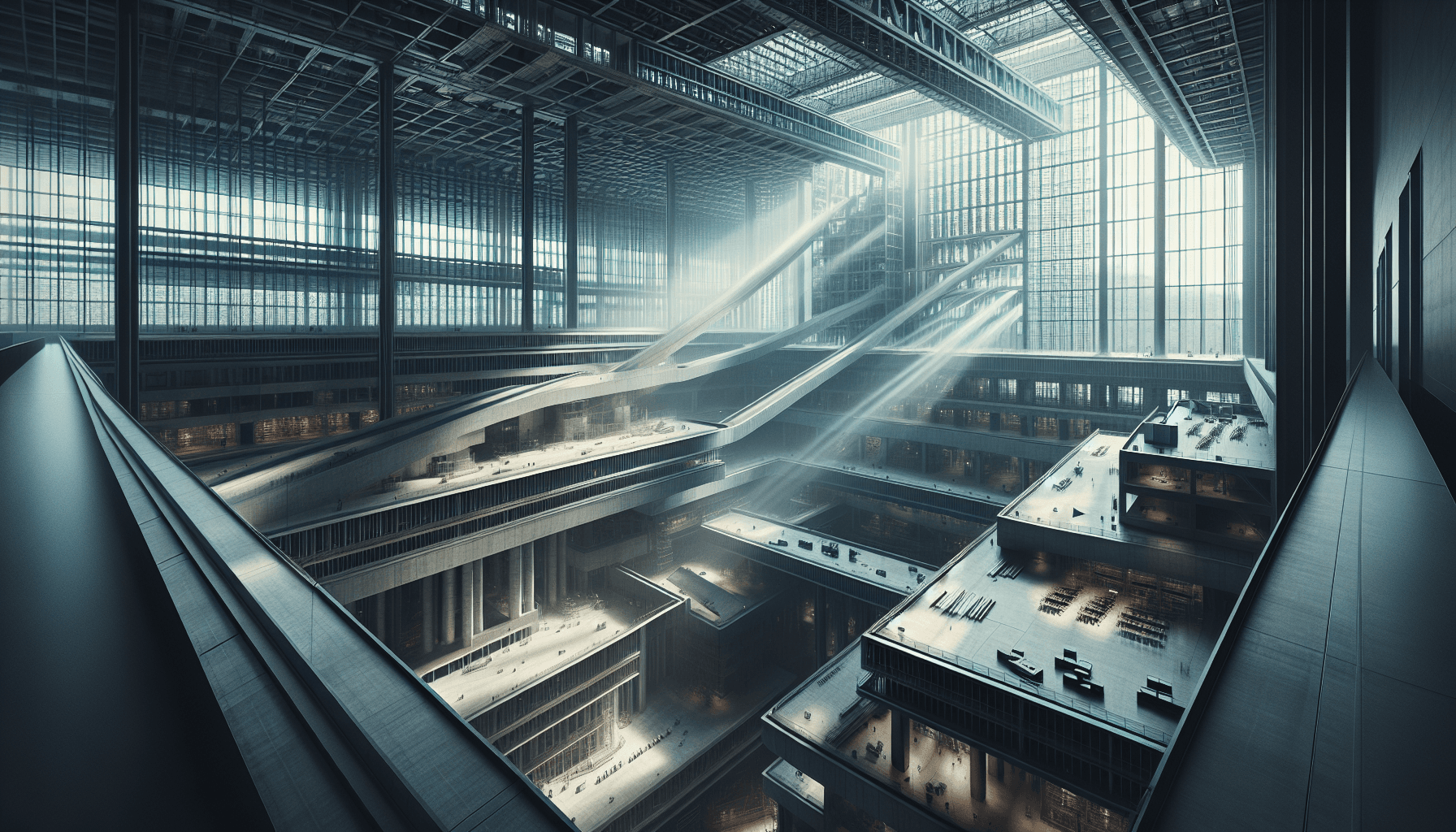
Designing a concert hall is never a simple feat, especially when it demands a striking cantilevered roof that seamlessly integrates concrete, steel, and timber. This was the scenario faced by a renowned cultural institution, looking to create an iconic venue that not only stood as a testament to architectural beauty but also set new standards in performance space dynamics.
The structural complexity of deploying different materials in harmony, each with its unique properties and requirements, posed significant coordination challenges. Traditional coordination methods were insufficient for the level of precision and integration needed to meet the ambitious architectural vision and stringent acoustic specifications.
The Solution
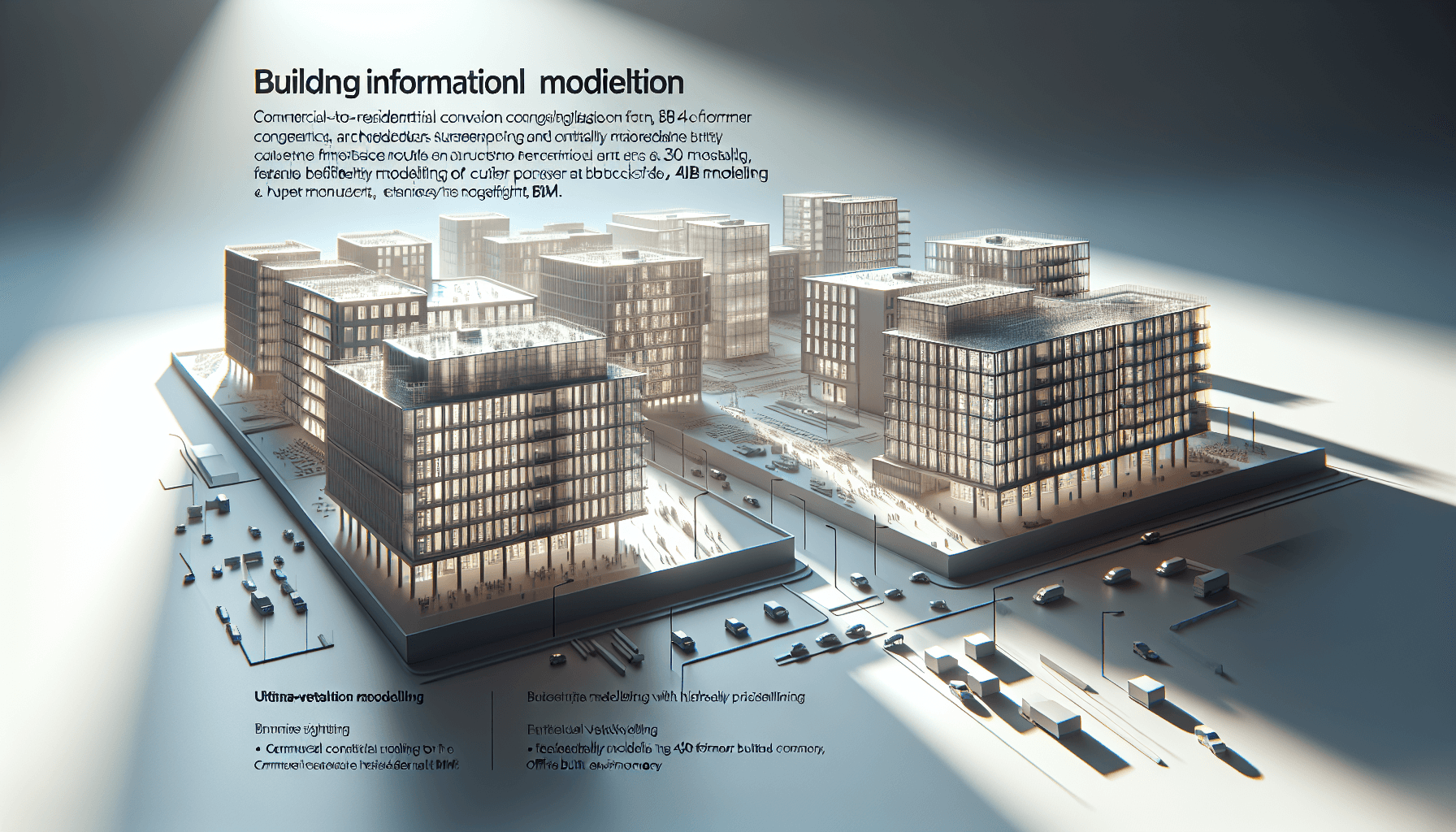
Adyantrix stepped in to navigate the complex landscape of structural intricacies through our advanced Building Information Modelling (BIM) services. We employed a comprehensive BIM approach that meticulously orchestrated the structural symphony of concrete, steel, and timber, ensuring seamless interaction between them.
Our team developed a detailed BIM Execution Plan (BEP), which outlined the standards, processes, and collaboration protocols tailored specifically to this project's needs. We utilized leading BIM software tools including Autodesk Revit and Navisworks for detailed 3D modeling and clash detection. This ensured that any potential conflicts between materials were identified and resolved early in the design phase, rather than during construction.
The adoption of a federated BIM model facilitated real-time collaboration among architects, engineers, and constructors. This model integrated various data sources enabling stakeholders to gain a unified view of the project, ensuring all structural elements were precisely accounted for. The cantilever's demanding engineering load calculations were carefully integrated into the BIM model, delivering an all-encompassing digital twin of the project before any physical construction began.
Additionally, our team managed the detailed coordination of mechanical, electrical, and plumbing (MEP) systems using BIM, ensuring compatibility with the structural framework without compromising the architectural aesthetic.
Key Results
The application of Structural BIM coordination by Adyantrix achieved significant results that surpassed client expectations:
-
Reduced Design Errors: Through early clash detection and resolution, the potential for on-site errors was decreased by 85%, leading to a smoother construction process.
-
Cost Efficiency: The precise structural model and planning reduced material wastage by 20%, and optimized the construction schedule, effectively lowering related costs.
-
Accelerated Timeframe: The integration of BIM reduced the project's design and construction timeframe by 30%, ensuring a timely delivery aligned with project milestones.
-
Enhanced Collaboration: Our BIM strategies enhanced interdisciplinary collaboration, ensuring that all stakeholders were consistently updated with the latest project developments and requirements.
-
Sustainability Goals: By optimizing material usage and ensuring efficient construction methodologies, the project contributed positively to the institution's sustainability goals, highlighting the role of BIM in eco-friendly building practices.
The cantilevered concert hall stands today as a beacon of contemporary architecture, blending aesthetic splendor with operational excellence, underscoring the transformative impact of Strategic BIM application. Adyantrix is proud to have contributed to this landmark project, redefining the possibilities within architectural and structural design through BIM innovation.
Technical Approach
The structural complexity of the cantilever demanded a technical stack that could handle multi-material interaction with engineering rigour. Autodesk Revit served as the BIM authoring platform for all disciplines, with structural models developed to LOD 400 for the primary steel frame and the exposed glulam timber elements that form the underside of the cantilever soffit. The reinforced concrete cores were modelled at LOD 350, capturing rebar clash zones at beam-column junctions—a critical consideration given the transfer forces generated by the cantilevering roof.
Navisworks Manage was used for federated clash detection across six discipline models: architectural, structural concrete, structural steel, structural timber, MEP, and acoustics. Notably, we also ran interference checks between the structural steel connection geometry and the specified acoustic lining packages, as the exposed steel detail required custom acoustic panels to be fitted directly to flanges without breaking the visual design intent.
Structural analysis outputs from Tekla Structural Designer were referenced directly against the Revit model geometry to verify that connection sizes and plate thicknesses modelled in BIM matched the engineered calculations. Where discrepancies arose—most commonly at bespoke moment connections in the cantilever zone—we issued formal RFI cards through the BCF workflow, creating a documented audit trail for every design decision.
Implementation Highlights
The project was delivered in four BIM stages aligned to RIBA Plan of Work Stages 2 through 5. During Stage 2 (Concept Design), the primary challenge was establishing the geometry of the cantilever in a form that both the architect's parametric massing model and the structural engineer's analysis model could reference from a single common origin. We established a Shared Coordinates system in Revit and distributed a project template to all consultants at the outset, eliminating the misalignment errors that had plagued earlier design reviews.
The most technically demanding phase was Stage 4 (Technical Design), specifically the coordination of the glulam roof structure. The exposed timber elements were both structural and aesthetic—they could not be boxed out or concealed. This meant that every service penetration through the timber zone had to be pre-agreed, modelled precisely, and reviewed by both the structural engineer and the architect before fabrication drawings were released to the specialist timber contractor. We ran eleven dedicated timber-zone clash detection rounds, each followed by a resolution workshop, before achieving a clean federated model.
Phased construction sequencing was also modelled in 4D using Navisworks TimeLiner, allowing the construction manager to verify that the steel erection sequence for the cantilever did not create temporary stability conflicts with the adjacent concrete core slipform programme.
Measurable Outcomes
The 85% reduction in on-site errors represented a significant departure from the industry baseline for projects of comparable structural complexity. To contextualise this, the structural engineer's pre-BIM risk register had identified 34 high-risk clash zones within the cantilever structure alone. Our coordination process resolved 31 of these entirely in the digital environment. The remaining three required minor on-site adjustments to secondary steelwork, none of which affected the critical path.
The 20% reduction in material wastage was most pronounced in the structural steel category, where precise connection geometry in the BIM model allowed the steel fabricator to optimise cutting schedules and reduce offcut waste. For the glulam timber contractor, the LOD 400 models provided sufficient geometric accuracy to pre-fabricate connection plates off-site to tight tolerances, reducing on-site fitting time by an estimated three weeks.
From a whole-life perspective, the as-built BIM model was handed over to the institution's facilities management team as a structured asset register. Every structural element carries type, manufacturer, specification, and maintenance interval data, enabling the facilities team to plan inspection programmes for the exposed timber elements—which require periodic treatment—without needing to commission fresh surveys.
Lessons Learned
Multi-material structural projects of this nature surface a consistent lesson: the earlier that connection geometry is resolved in the BIM model, the lower the downstream coordination burden. On this project, the decision to model bespoke steel-to-timber connections at LOD 400 from Stage 3 onwards—rather than the more common practice of leaving connection design to Stage 4—saved significant re-coordination effort when the acoustic lining packages were introduced into the federated model.
We also learned the value of establishing a dedicated acoustic model as a separate discipline federate rather than embedding acoustic data within the architectural model. Acoustic consultants operate on different revision cycles to the main design team, and a separate federate allowed them to update their lining geometry independently without triggering cascading changes across the architectural model.
Finally, 4D sequencing proved its worth not merely as a client communication tool but as an engineering validation exercise. The TimeLiner review identified a two-week window during which the partially erected cantilever steel frame would be exposed to wind loading before the stabilising concrete core had reached design strength—a temporary works condition that required an additional propping scheme to be designed and coordinated through BIM.
Why This Approach Worked
The concert hall project succeeded because the BIM strategy was treated as an engineering discipline in its own right, not as a documentation service appended to the design process. By placing the BIM Execution Plan at the centre of the project governance framework from the outset, every consultant and specialist contractor understood their modelling obligations, information delivery milestones, and clash resolution responsibilities before design work commenced.
For a cantilevered structure combining three structurally dissimilar materials—each with different thermal movement coefficients, connection philosophies, and fabrication lead times—the ability to resolve interactions digitally before any material was ordered or fabricated was transformative. The alternative, resolving these conflicts through traditional 2D drawing co-ordination, would have produced a significantly higher number of late-stage design changes, each carrying programme and cost implications disproportionate to their apparent scale.
Speak with our BIM Consulting team at Adyantrix to find out how we can support your next project.
Work with Adyantrix
If you are looking to tackle a similar challenge, Adyantrix has the expertise to help across the full project lifecycle. Our BIM consulting practice covers BEP authoring, ISO 19650 strategy, and CDE implementation. Our structural BIM practice covers structural modelling, analysis exports, and fabrication detail. Our clash detection & coordination practice covers multidisciplinary coordination and conflict resolution. Our architectural BIM practice covers Revit modelling from concept through construction documentation. Get in touch to discuss your requirements — no commitment required.