The Challenge
The automotive parts manufacturer was facing a critical issue that impeded operational efficiency — extended machine setup times. Setup times, which often exceeded anticipated boundaries, were leading to substantial production delays and increased costs. With a diverse array of machines requiring precise configurations at the outset of every batch production, the variability in setup durations introduced unpredictability into the manufacturer's production schedules. The challenge was further compounded by limited real-time visibility into machine states, making it difficult for operators to fine-tune processes promptly. The lack of actionable insights also restricted management's capability to conduct data-driven optimisations or troubleshoot process inefficiencies effectively.
Given the high stakes in meeting client order deadlines and maintaining cost efficiency, the automotive parts manufacturer sought a comprehensive solution that could leverage digital advancements to transform factory floor operations. Specifically, the goal was to cut setup times dramatically while ensuring that operations remained robust and sustainable across a fleet of more than 200 production assets.
Our Approach
Adyantrix, renowned for its cutting-edge technological solutions in the manufacturing sector, embarked on an ambitious project to revamp the manufacturer's production setup framework using a digital twin approach. The primary goal was to enable real-time machine state monitoring, which would, in turn, facilitate significant reductions in setup times.
Adyantrix worked closely with the manufacturer to understand the unique characteristics of its operations and identify critical pain points in the current setup process. The strategy involved a collaborative effort with the client's in-house engineering and operational teams to gather detailed insights into existing workflows and machine operations. This comprehensive understanding laid the groundwork for an innovative solution blueprint tailored to address specific needs, ensuring a customised approach that adhered to industry best practices.
A phased discovery workshop was conducted over three weeks to map every machine type on the factory floor, document the data signals already available from PLCs and CNC controllers, and identify gaps where additional sensors would be required. This exercise produced a machine data dictionary that became the canonical reference for the engineering team throughout the build.
Technical Implementation
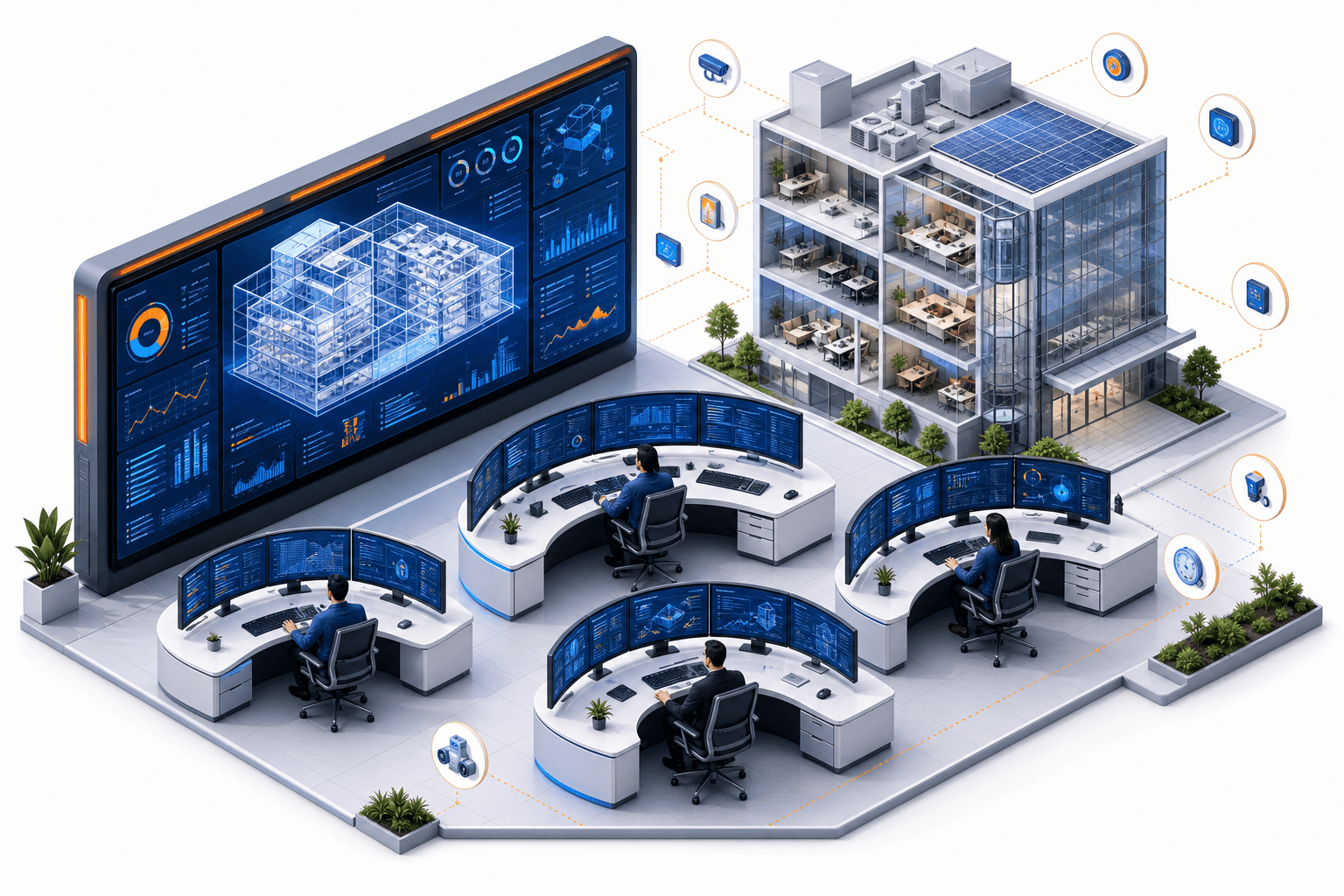
The implementation phase saw Adyantrix leverage its expertise in digital twin technology — an advanced approach that creates a virtual model of the physical process or system. IoT sensors and data acquisition systems were deployed across the manufacturer's facility to collect real-time data on machine operations. This data served as the foundation for developing the digital twin, which mirrored the real-time status of the manufacturing floor with high fidelity across all 200+ assets.
OPC-UA (Open Platform Communications Unified Architecture) was selected as the primary machine connectivity protocol, enabling vendor-agnostic data extraction from CNC machines, robotic cells, and conveyor systems regardless of their make or age. Where legacy machines lacked native OPC-UA support, lightweight edge gateways running open-source adapters bridged the gap, normalising all data into a unified time-series schema before forwarding it to the cloud ingestion layer.
The IoT data pipeline was built on a combination of MQTT for lightweight sensor telemetry and Apache Kafka for high-throughput event streaming, ensuring that machine state changes were captured and propagated to downstream consumers in under two seconds. Data landed in a time-series database optimised for fast range queries, enabling the dashboard layer to render live trend charts across any rolling window without performance degradation.
Adyantrix's team utilised advanced data analytic techniques and machine learning algorithms to process the incoming data streams. The digital twin environment provided users with intuitive dashboards — built in a React-based frontend backed by a REST API — that visualised machine states, predictive maintenance alerts, and potential setup optimisations in real time. The integration of historical data further enhanced the system's predictive capabilities, enabling operators to foresee potential delays and adjust configurations more proactively.
The solution was implemented over a four-month timeline, with phased deployments allowing for real-time testing and adjustments. Adyantrix ensured that the solution was seamlessly integrated with the manufacturer's existing IT infrastructure, minimising disruption while maximising impact.
Key Results
Upon full deployment of the digital twin solution, the manufacturer experienced a remarkable 43% reduction in setup times, effectively transforming operational efficiency and aligning closely with production schedules. This reduction was accompanied by increased visibility of machine operations — not only did this improve setup times, but it also enhanced overall production oversight and control across the entire 200+ asset fleet.
Operators reported a significant ease in monitoring and adjusting machine parameters in real time, attributing newfound efficiency to the streamlined data insights provided by the implementation. The head of operations noted a marked improvement in meeting production goals without the bottlenecks previously caused by prolonged setups, which had been a persistent challenge.
Moreover, the system's predictive maintenance capabilities preempted potential machinery downtimes, adding another layer of reliability and cost savings. The data-driven approach led to a more sustainable production process, reducing not only time and cost but also material waste and energy consumption.
Frequently Asked Questions
How does digital twin technology improve setup times? Digital twin technology creates a virtual representation of physical machinery, allowing for real-time monitoring and data analytics. This enables operators to make informed decisions quickly, leading to faster adjustments and reduced setup times.
What investment was necessary for implementing the solution? Adyantrix worked within a budget that considered the manufacturer's scale and targeted outcomes, ensuring that the implementation was cost-effective yet impactful, with a clear return on investment visible through the considerable efficiency gains achieved.
Can the solution be adapted to other manufacturing sectors? Yes, the digital twin solution is adaptable to various manufacturing sectors, each of which can benefit from enhanced visibility and efficiency improvements tailored to their unique operational processes.
Does the system require specialised training for operators? Adyantrix ensures that integration of the digital twin system includes comprehensive training sessions for operators, equipping them with the skills needed to utilise the new dashboards and data analytics tools effectively.
Work with Adyantrix
Experience cutting-edge solutions that transform operational efficiency in the manufacturing sector. Discover Adyantrix's software development services and business intelligence capabilities tailored to streamline your production processes. Get in touch for a consultation by visiting our contact page.