Introduction
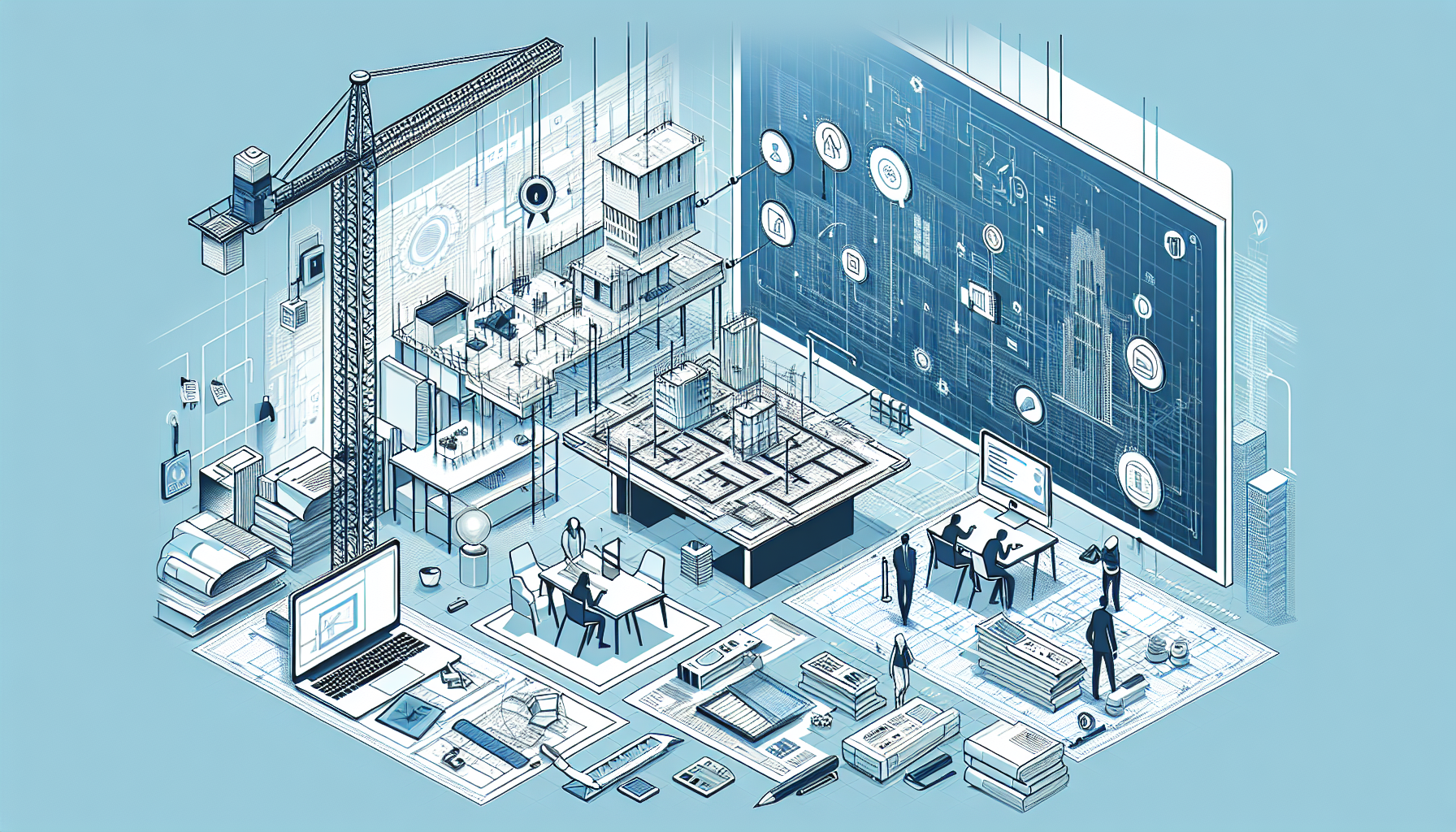
In the dynamic world of construction, staying on top of the project timeline is crucial. Enter 4D BIM scheduling, a game-changer in the domain of construction planning and management. By integrating the additional time dimension into the 3D BIM model, it provides an enhanced tool for visualising and managing project timelines, offering unparalleled insights into the progress of a project in real-time.
What is 4D BIM Scheduling?
4D BIM, or four-dimensional Building Information Modelling, adds a temporal aspect to the traditional 3D model. This integration allows planners and managers to see how a project will evolve over time. By sequencing activities on the BIM model, stakeholders can visualise the construction process stages from start to finish, ensuring that every component of the build is accounted for in the programme.
Linking the Model to the Programme
The core concept of 4D BIM scheduling is linking the detailed model to time-based project scheduling. This process involves correlating 3D BIM components with a time schedule in construction management software, such as Primavera or Microsoft Project. The aim is to align the physical construction elements with their timeline counterparts, creating a comprehensive visualisation of exactly when and where each construction activity will occur.
Real-World Examples
Consider a project involving the construction of a multi-storey office block. Using 4D BIM, the project manager can map out every aspect of the build schedule. For instance, they can visualise when steel beams for each level should be delivered and installed, ensuring seamless coordination with concrete pouring for floors and electrical installations.
This synchronisation reduces the risk of bottlenecks and delays, as all stakeholders, from architects to engineers, can clearly visualise the construction process in a digital environment before breaking ground, facilitating better communication and reducing misunderstandings.
Real-Time Progress Tracking
One of the most significant advantages of 4D BIM scheduling is its ability to provide real-time progress tracking. As the physical build progresses, teams can update the BIM model, reflecting completed tasks and instantly identifying any deviations or delays in the schedule.
For example, if a delay occurs due to unforeseen circumstances like adverse weather conditions, the project model can be adjusted to accommodate the new timeline, giving stakeholders immediate insight into how the project timeline needs to be adapted.
Benefits of Real-Time Tracking
- Increased Transparency: Real-time updates provide all stakeholders with a clear picture of the project's status, fostering trust and accountability.
- Improved Decision Making: Having access to current project data enables quicker, evidence-based decision-making, potentially avoiding costly errors.
- Efficiency Gains: By identifying and resolving issues promptly, teams can minimise downtime and keep the project on track.
Challenges and Considerations
While the benefits are clear, implementing 4D BIM scheduling is not without challenges. It requires significant upfront investment in terms of software acquisition and staff training. Moreover, accuracy is paramount; any data discrepancies can lead to flawed projections and costly errors. Hence, continuous collaboration and communication among all parties involved are crucial to maximising the utility of the 4D BIM process.
Conclusion
4D BIM scheduling stands as a pivotal advancement in construction project management, providing a dynamic and interactive tool for real-time progress tracking. By effectively linking the model to the programme, it offers an invaluable resource for construction teams aiming to deliver projects on time and within budget. Whether you're embarking on a small-scale building or a large infrastructural development, integrating 4D BIM could provide the competitive edge needed to enhance project outcomes.
Embracing this technological advancement means stepping towards more informed decision-making, streamlined processes, and an overall increase in project efficiency.