Introduction
In the world of Building Information Modelling (BIM), federated models and model coordination play crucial roles in ensuring seamless multi-discipline collaboration and clash resolution. As projects grow in complexity, involving multiple stakeholders and disciplines, the need for effective coordination becomes paramount. Integrating various models into a federated model is not just a process — it's a strategy for success in the architecture, engineering, and construction (AEC) industry.
Understanding Federated Models
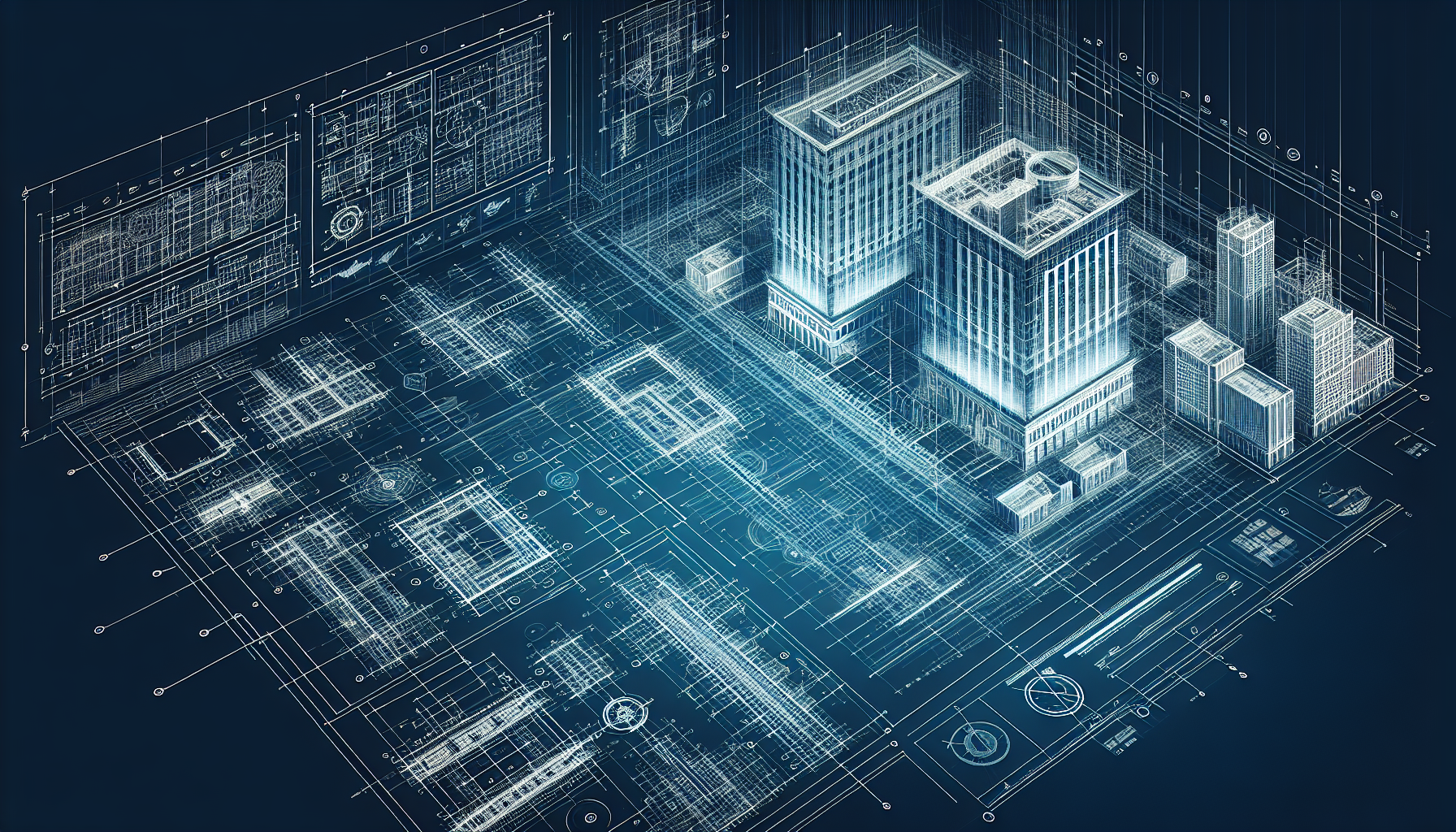
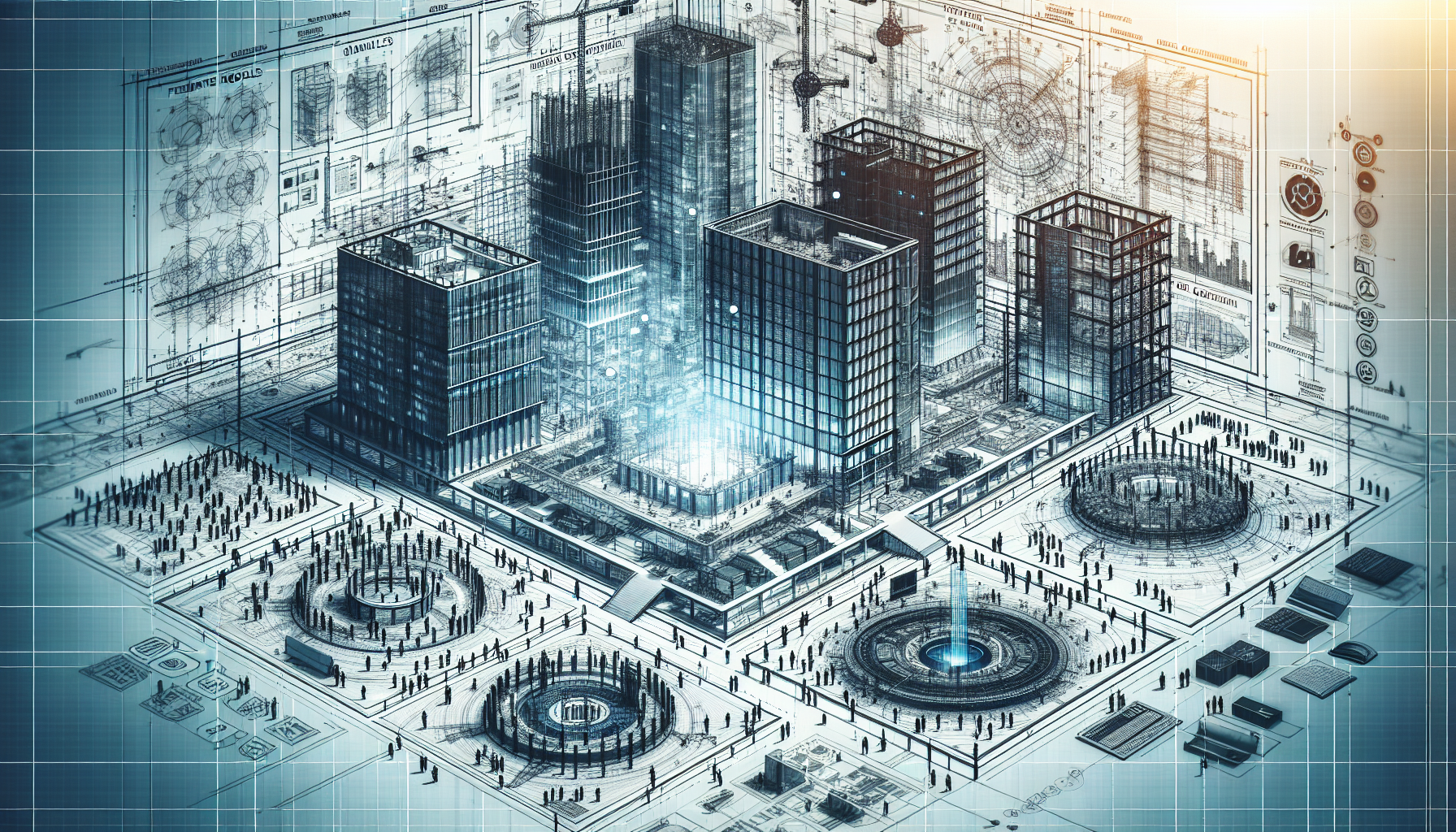
A federated model is an amalgamation of individual discipline models, compiled to visualise the project holistically. Each discipline — be it architectural, structural, mechanical, or electrical — contributes its own model, which is then integrated into a single, cohesive representation. This integration helps in visualising how different elements interact, providing a comprehensive view of the project's spatial and design intricacies.
Real-world Example
Consider a new hospital project involving architects, structural engineers, and MEP specialists. Each of these stakeholders works on their respective models. When these are integrated into a federated BIM model, potential clashes — such as HVAC ducts interfering with structural beams — can be identified and resolved before they pose real-world problems. This ensures that project execution remains efficient and cost-effective.
The Importance of Model Coordination
Model coordination in BIM is essential for enhancing communication among stakeholders and ensuring that models align with the project's overall goals. It involves detecting and resolving clashes early in the project lifecycle, thereby averting costly changes during construction.
Tools Involved
Tools such as Autodesk Navisworks play a significant role in model coordination. They facilitate clash detection and help project teams collaborate in real-time. By simulating various construction scenarios, these tools allow teams to anticipate issues and make informed decisions.
Real-world Example
On a recent commercial construction project, engineers utilised model coordination processes to align with architectural constraints and integration points. Using model coordination tools, the team found and resolved over a hundred clashes between plumbing and electrical models, which saved significant time and resources during the construction phase.
Benefits of Federated Models and Model Coordination
-
Enhanced Collaboration: By integrating models from different disciplines, teams can collaborate more effectively, sharing insights and identifying potential issues collaboratively.
-
Improved Accuracy: Federated models ensure that each discipline's contributions are accurately represented, reducing the risk of errors.
-
Cost and Time Efficiency: Early clash detection means fewer on-site hiccups and unnecessary delays, thus ensuring projects stay on schedule and within budget.
-
Better Decision Making: With real-time visualisation through federated models, stakeholders can make informed decisions, driving project success.
Implementing Federated Models and Model Coordination
Successful implementation involves clear communication and rigorous processes. Here’s how it can be achieved:
-
Define Clear Protocols: Establish guidelines for data sharing and model integration to ensure smooth collaboration among stakeholders.
-
Regular Coordination Meetings: Facilitating regular meetings ensures that all involved parties are on the same page regarding model updates and changes.
-
Adopt the Right Tools: Equip your teams with the latest BIM coordination software to streamline the integration process.
-
Train the Teams: Invest in training so all participants understand how to use BIM tools effectively, ensuring buy-in and maximising their capabilities.
Conclusion
Federated models and model coordination are transformative elements of the BIM process that enhance project delivery by enabling comprehensive integration and effective clash resolution. By fostering a cooperative environment for multi-discipline teams, they not only streamline project workflows but also contribute significantly towards more predictable and successful construction outcomes. As the AEC industry moves towards an increasingly digital future, embracing these methodologies will be crucial for staying competitive and efficient.